Restraints in child health nursing refer to measures used to limit a child’s movement or behavior for therapeutic reasons. However, their use is controversial, and alternatives should be explored first. Types of restraints include:
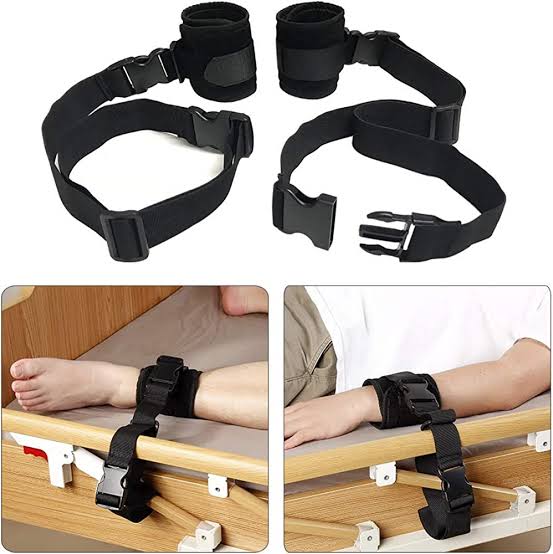
- Physical Restraints:
- Explanation: Involves the use of devices like soft ties or vests to restrict a child’s movement.
- Hazards:
- Risk of injury: Improper application may lead to physical harm.
- Emotional impact: Can cause distress and anxiety in the child.
- Chemical Restraints:
- Explanation: Involves medication to control behavior or movement.
- Hazards:
- Adverse reactions: Medication side effects may pose health risks.
- Lack of consent: Raises ethical concerns about involuntary medication.
- Environmental Restraints:
- Explanation: Modifying the environment to limit the child’s access or movement.
- Hazards:
- Isolation: May lead to feelings of loneliness and affect psychological well-being.
- Impaired development: Restricts opportunities for exploration and learning.
- Seclusion:
- Explanation: Involves isolating the child in a designated area.
- Hazards:
- Emotional trauma: Isolation can lead to feelings of abandonment and fear.
- Lack of supervision: Requires continuous monitoring to ensure safety.
- Behavioral Restraints:
- Explanation: Involves using therapeutic interventions to manage behavior.
- Hazards:
- Misuse: Improper implementation may worsen the child’s behavior.
- Effectiveness: Variable response; what works for one child may not work for another.
Hazards associated with restraints in child health nursing underscore the need for careful assessment, constant monitoring, and consideration of alternative interventions to ensure the safety and well-being of the child.
 KNOWLEDGE DIARY
Leave a comment